Loading...
Minnesota Fish Species
From walleye to muskies, crappie to catfish. Get to know the fish that swim in Minnesota's 10,000+ lakes: habitat, seasons, tips, and which lakes hold each species.
Gamefish
Minnesota's premier sportfish. The species anglers travel for.
Walleye
Sander vitreus
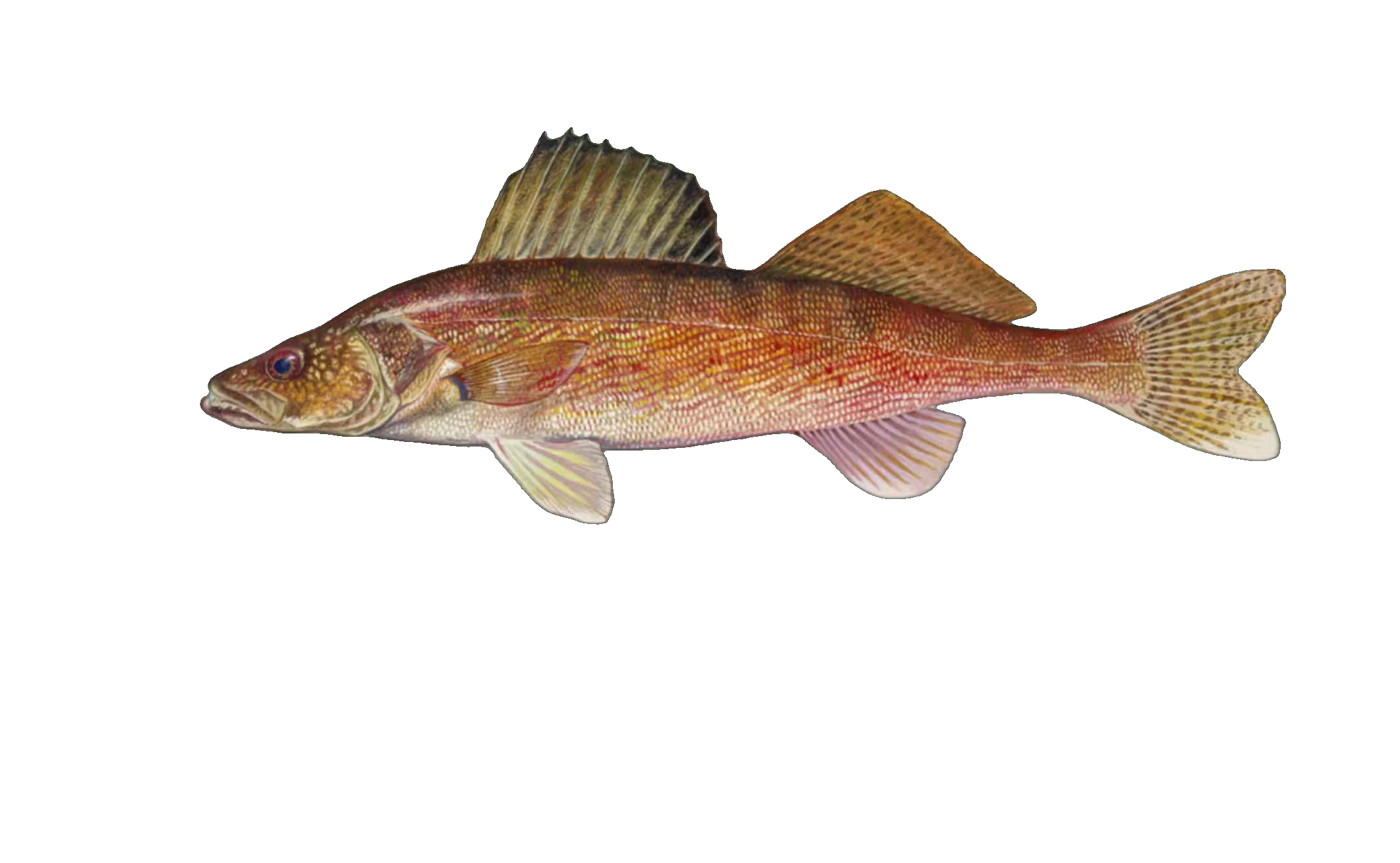
14–22 inches1–4 lbs
Peak season:May, June, September
Walleye prefer clean, cool lakes with gravel or sand bottoms. They relate to structure like points, reefs, and drop-offs during the day, moving shallow to feed at night. Wind-blown shorelines and current areas concentrate feeding fish.
Northern Pike
Esox lucius
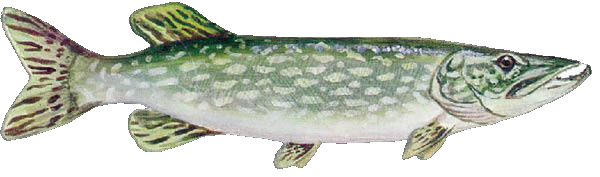
20–30 inches2–8 lbs
Peak season:May, June, September
Pike favor shallow, weedy bays and shoreline areas with abundant vegetation. Cabbage weeds, lily pads, and reed beds are prime pike habitat. Larger fish often patrol deeper weed edges and points.
Largemouth Bass
Micropterus salmoides
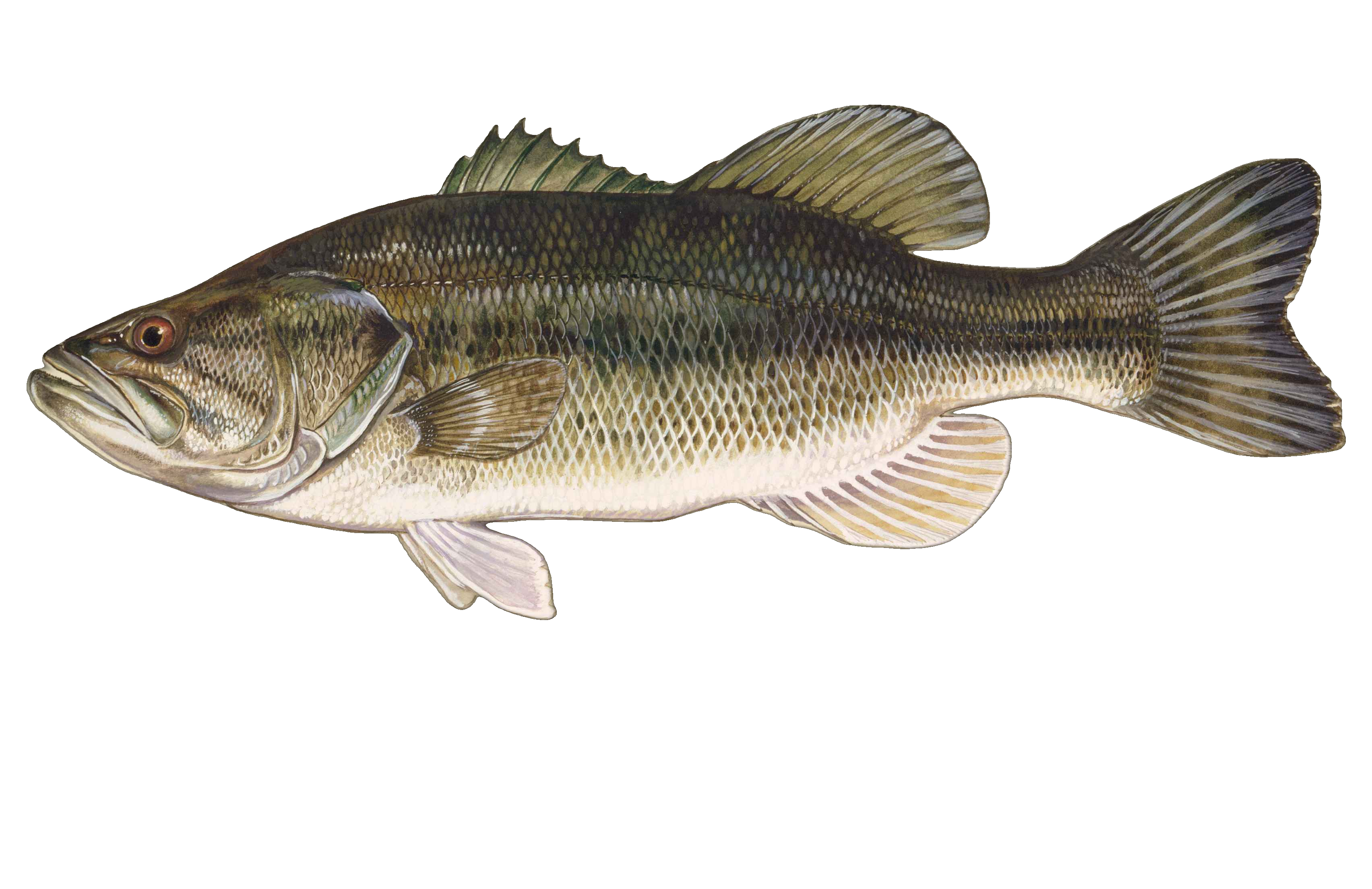
12–18 inches1–4 lbs
Peak season:June, July, August
Largemouth bass prefer warm, shallow lakes with heavy vegetation, fallen timber, and docks. They relate closely to cover — lily pads, submerged wood, and weed beds are key areas. They're less common in deep, cold lakes.
Smallmouth Bass
Micropterus dolomieu
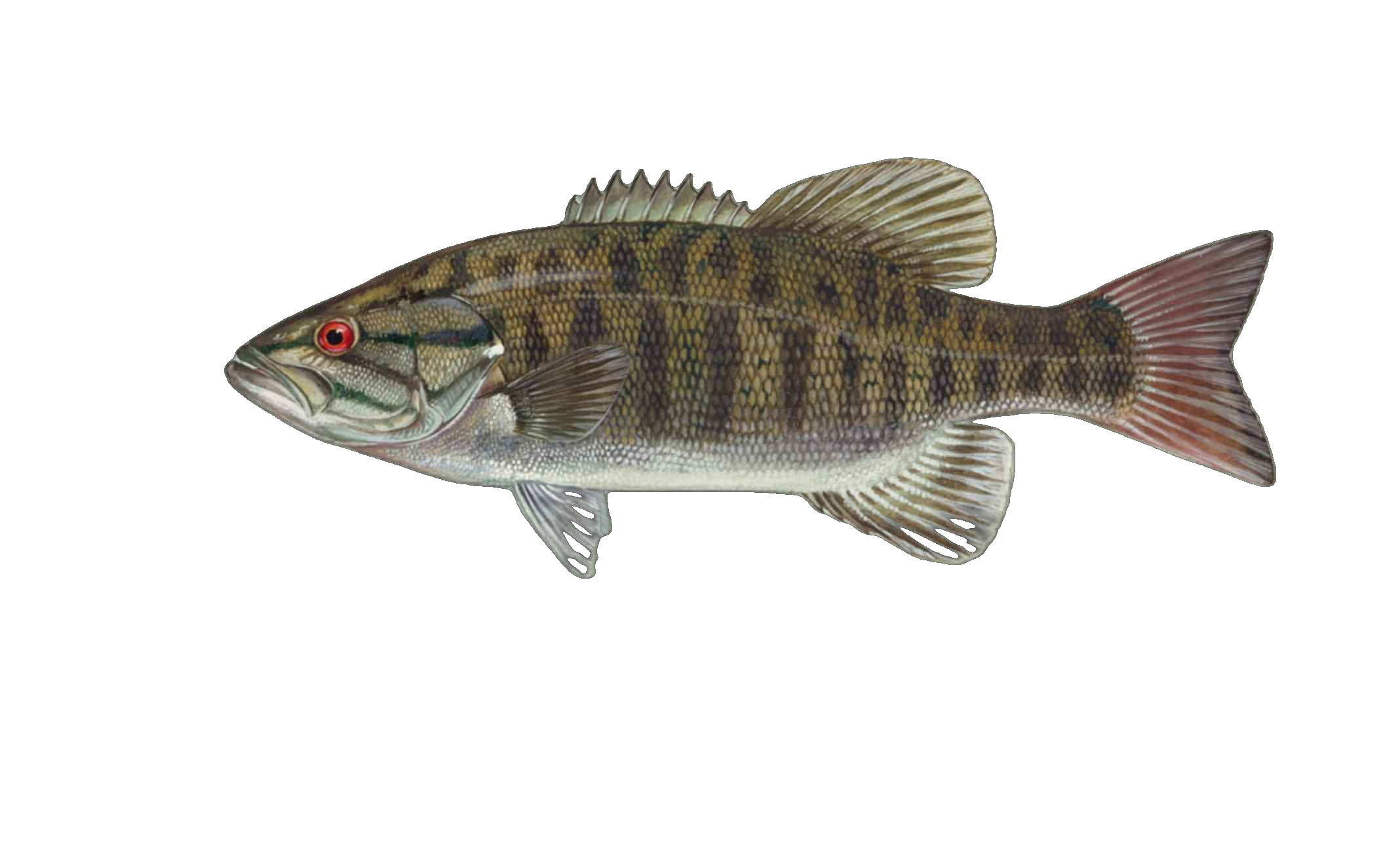
12–17 inches1–3 lbs
Peak season:June, July, August
Smallmouth thrive in clear, cool lakes with rocky shorelines and gravel bottoms. They prefer rock piles, boulders, points, and crayfish-rich areas. Unlike largemouth, they avoid heavy vegetation and prefer harder substrates.
Muskellunge
Esox masquinongy
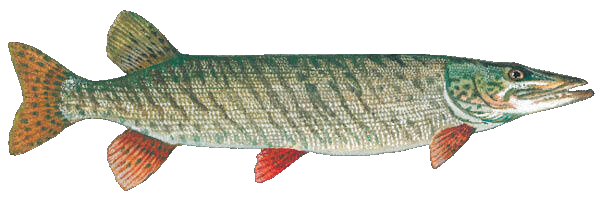
30–42 inches8–20 lbs
Peak season:June, September, October
Muskies inhabit large, clear lakes with abundant forage and structure. They patrol weed edges, rock bars, points, and open water. They need large home ranges and are typically found in lakes over 500 acres with diverse habitat.
Lake Trout
Salvelinus namaycush
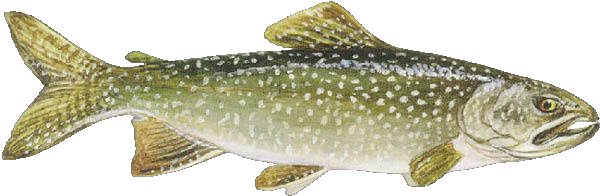
16–24 inches2–8 lbs
Peak season:May, June, September
Lake trout need deep, cold lakes with water temperatures below 50°F. They're found in the deep basins of northeastern Minnesota lakes, often at depths of 40–100+ feet during summer. They move shallow briefly during fall spawning.
Channel Catfish
Ictalurus punctatus
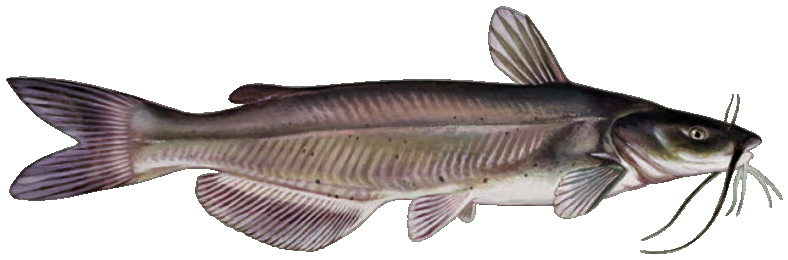
15–24 inches2–8 lbs
Peak season:June, July, August
Channel catfish inhabit rivers, reservoirs, and larger lakes with moderate current or wave action. They prefer sand and gravel bottoms near deeper holes, channel edges, and riprap. They're most active at night and in turbid water.
White Bass
Morone chrysops
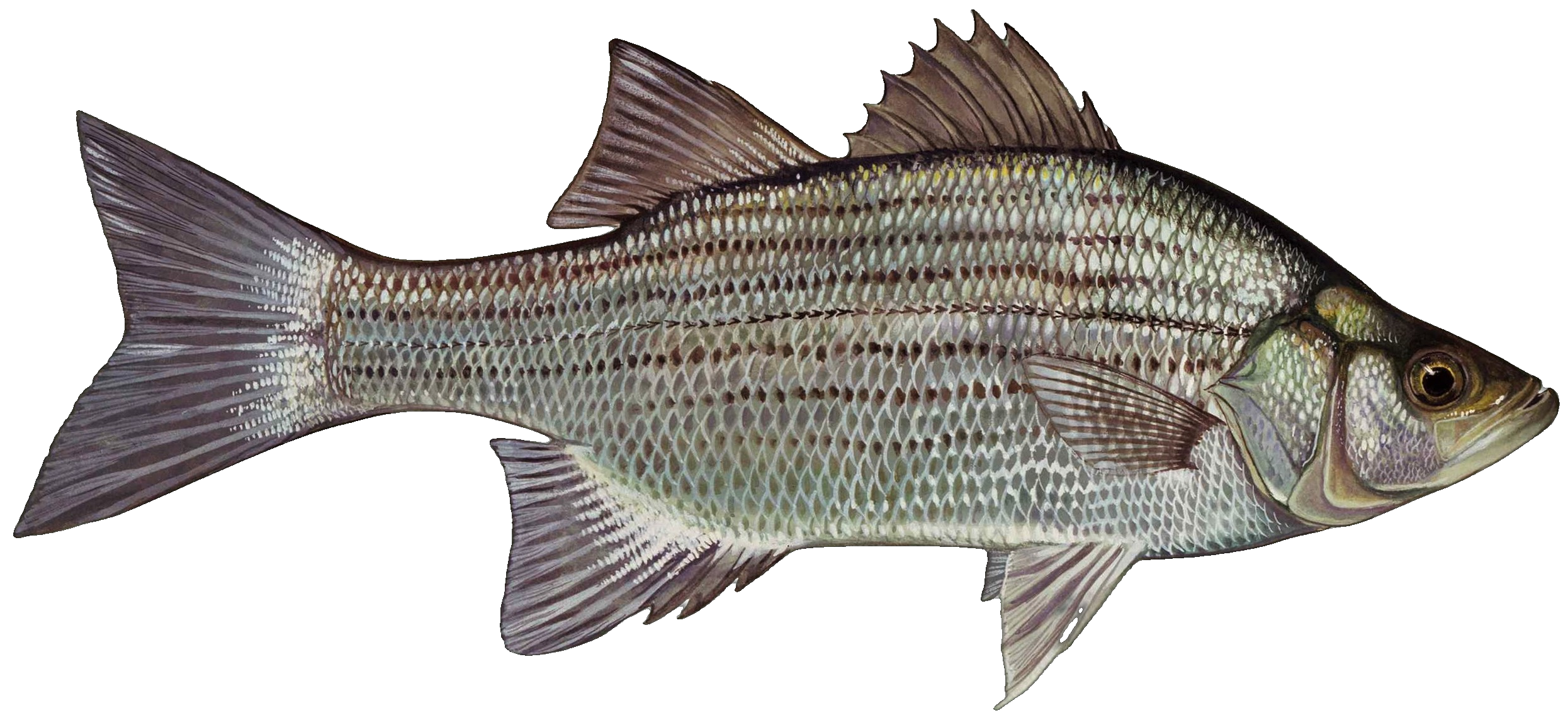
10–14 inches0.5–2 lbs
Peak season:May, June, July
White bass prefer large lakes and rivers with open water. They school heavily and follow baitfish through open basins. In spring, they make spawning runs up tributaries where anglers can target them in concentrated numbers.
Sauger
Sander canadensis
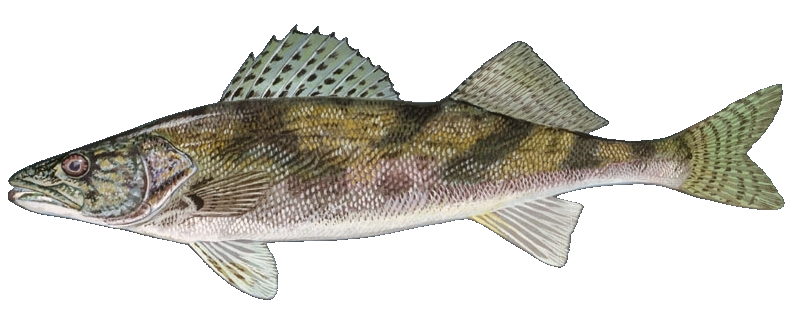
12–16 inches0.5–2 lbs
Peak season:March, April, October
Sauger prefer turbid, flowing water — they're primarily a river species in Minnesota. They favor deep pools, wing dams, and tailwater areas below dams. They tolerate murkier water than walleye and are more current-oriented.
Burbot
Lota lota
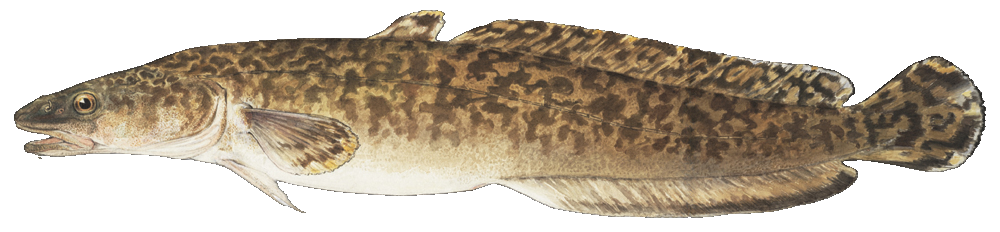
15–22 inches1–4 lbs
Peak season:January, February, March
Burbot inhabit deep, cold lakes and rivers in northern Minnesota. They're strictly bottom-dwellers, preferring rocky and rubble substrates in deep water. They move shallow during their unusual midwinter spawning period.
Panfish
Family-friendly favorites. Great eating and fun on light tackle.
Black Crappie
Pomoxis nigromaculatus
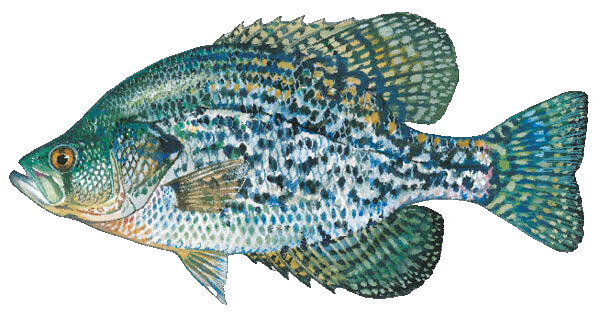
8–12 inches0.25–1 lb
Peak season:May, June, December
Crappie favor clear to moderately stained lakes with abundant submerged vegetation and woody cover. They suspend over deep basins in summer and move to brush piles, fallen trees, and weed edges to feed. They spawn in shallow, sandy bays.
Bluegill
Lepomis macrochirus
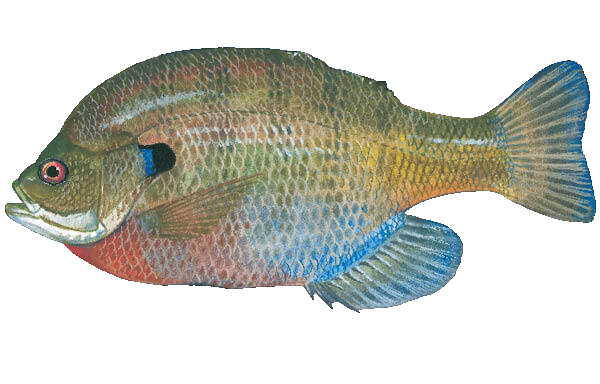
6–9 inches0.25–0.75 lb
Peak season:June, July, August
Bluegill thrive in warm, shallow lakes with weeds, docks, and woody cover. They spawn on sandy flats in colonies visible from shore. In summer, larger bluegills move to deeper weed edges while small ones stay shallow.
Pumpkinseed
Lepomis gibbosus
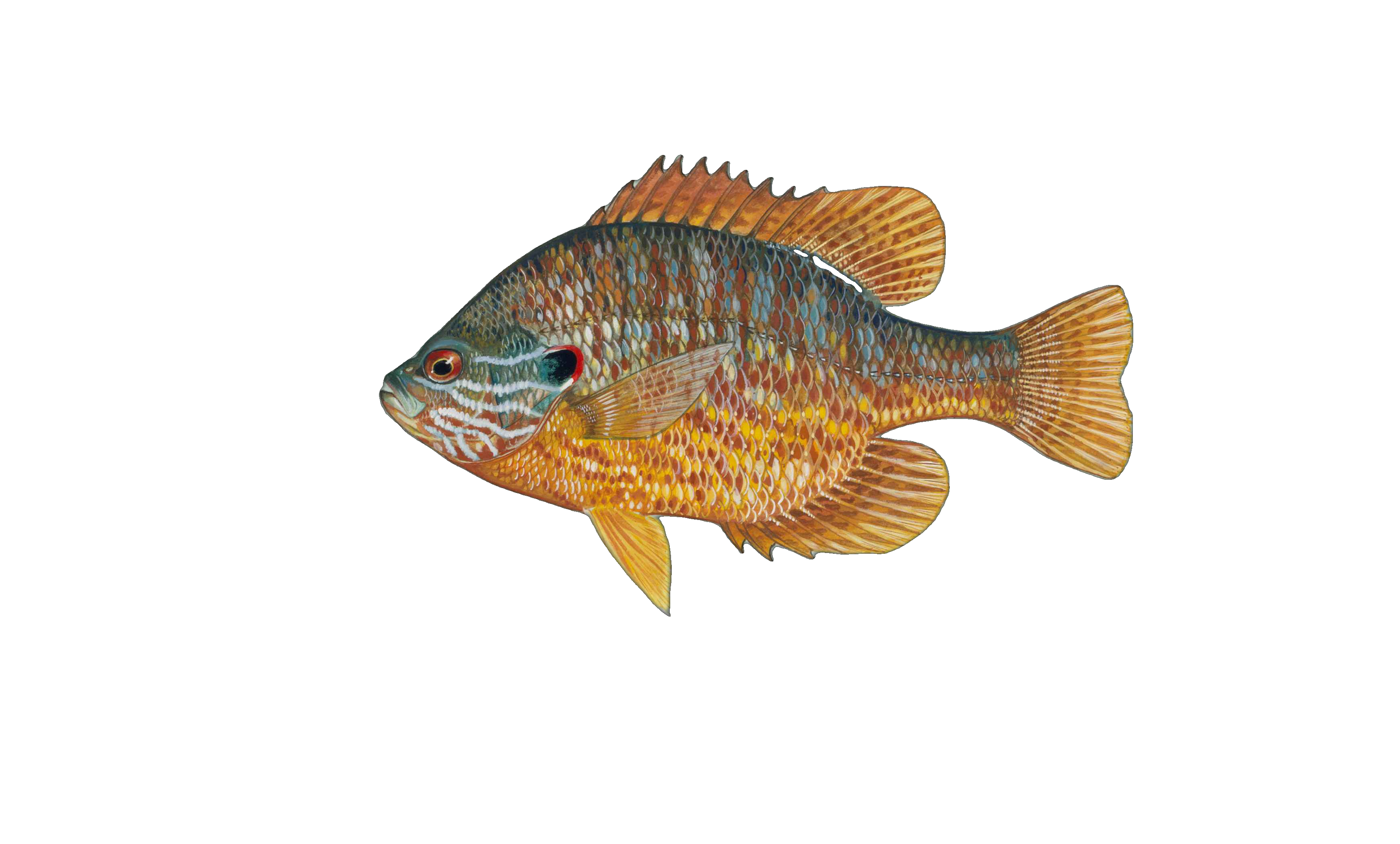
5–8 inches0.15–0.5 lb
Peak season:June, July
Pumpkinseeds prefer clear, weedy lakes with soft bottoms. They stay closer to dense vegetation than bluegill and are often found in lily pad fields and shallow weed beds. They favor slightly cooler water than bluegill.
Yellow Perch
Perca flavescens
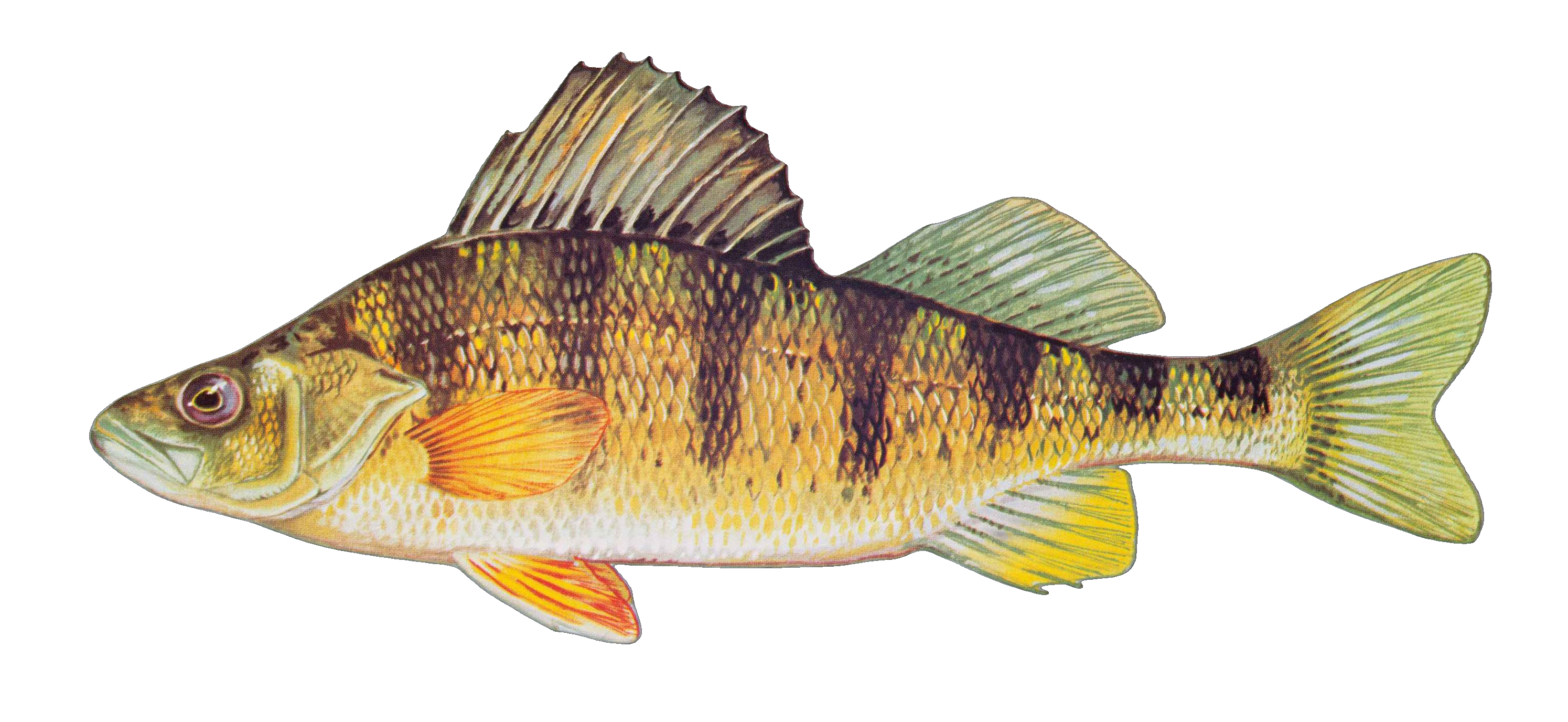
7–10 inches0.25–0.75 lb
Peak season:January, February, March
Perch inhabit a wide range of lake types, from small ponds to large wind-swept lakes. They prefer moderate vegetation and relate to sand-gravel transitions, weed edges, and mud flats where they forage for invertebrates.
Rock Bass
Ambloplites rupestris
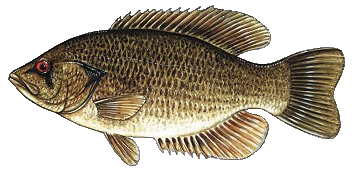
6–9 inches0.25–0.75 lb
Peak season:June, July, August
As their name suggests, rock bass favor rocky shorelines, boulder fields, and gravel substrates. They're common in the same clear, cool lakes that hold smallmouth bass. They relate to rock piles and submerged timber.
Green Sunfish
Lepomis cyanellus
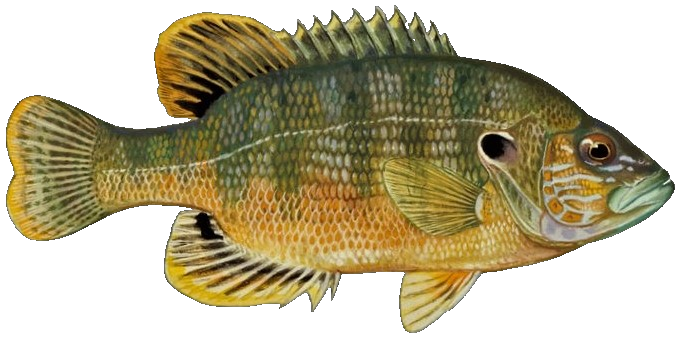
4–7 inches0.1–0.5 lb
Peak season:June, July, August
Green sunfish tolerate poor water conditions better than most panfish. They thrive in farm ponds, ditches, creek pools, and weedy lake margins. They're often the dominant sunfish in disturbed or degraded habitats.
Hybrid Sunfish
Lepomis spp. (hybrid)
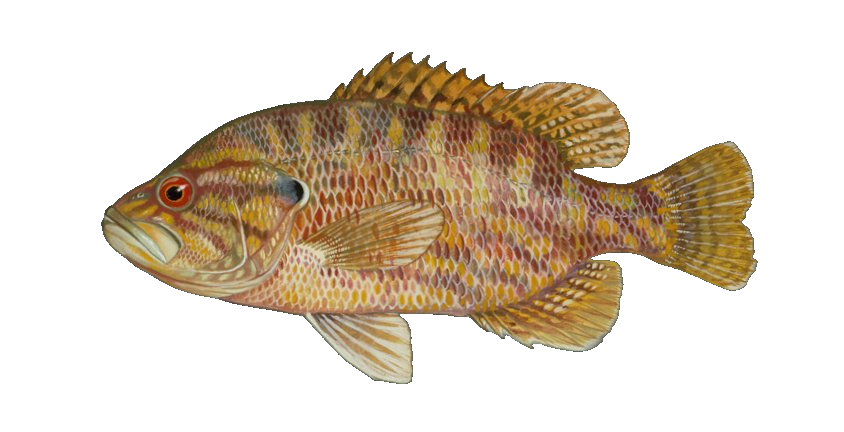
6–9 inches0.25–0.75 lb
Peak season:June, July, August
Hybrid sunfish occupy the same habitats as their parent species: warm, weedy lakes and ponds with ample cover. They're found in both natural lakes where parent species overlap and in managed waters where they've been stocked.
Rough Fish
Often overlooked but ecologically important, and some are great fighters.
Common Carp
Cyprinus carpio
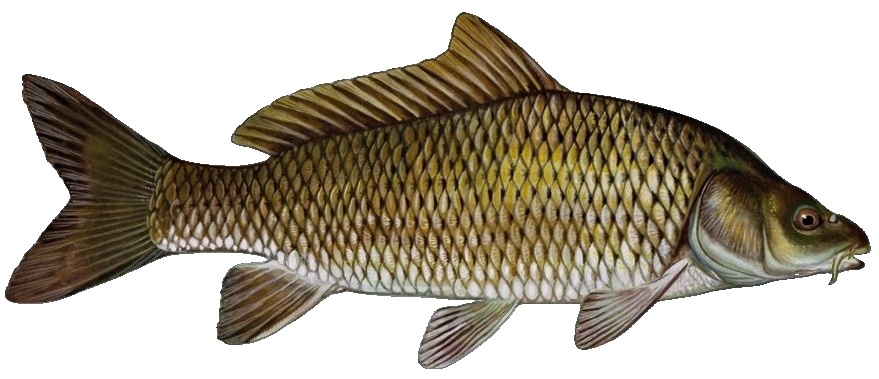
18–28 inches5–15 lbs
Peak season:May, June, July
Carp thrive in warm, shallow lakes and slow-moving rivers with soft, silty bottoms. They root through bottom sediments to feed, which stirs up mud and can reduce water clarity. They tolerate low oxygen and warm temperatures.
White Sucker
Catostomus commersonii
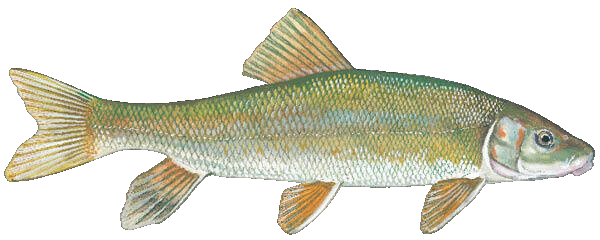
12–18 inches1–3 lbs
Peak season:April, May
White suckers are highly adaptable, living in lakes, rivers, and streams of all sizes. They feed on the bottom, using their downward-facing mouth to vacuum up invertebrates, algae, and organic matter from substrate.
Freshwater Drum
Aplodinotus grunniens
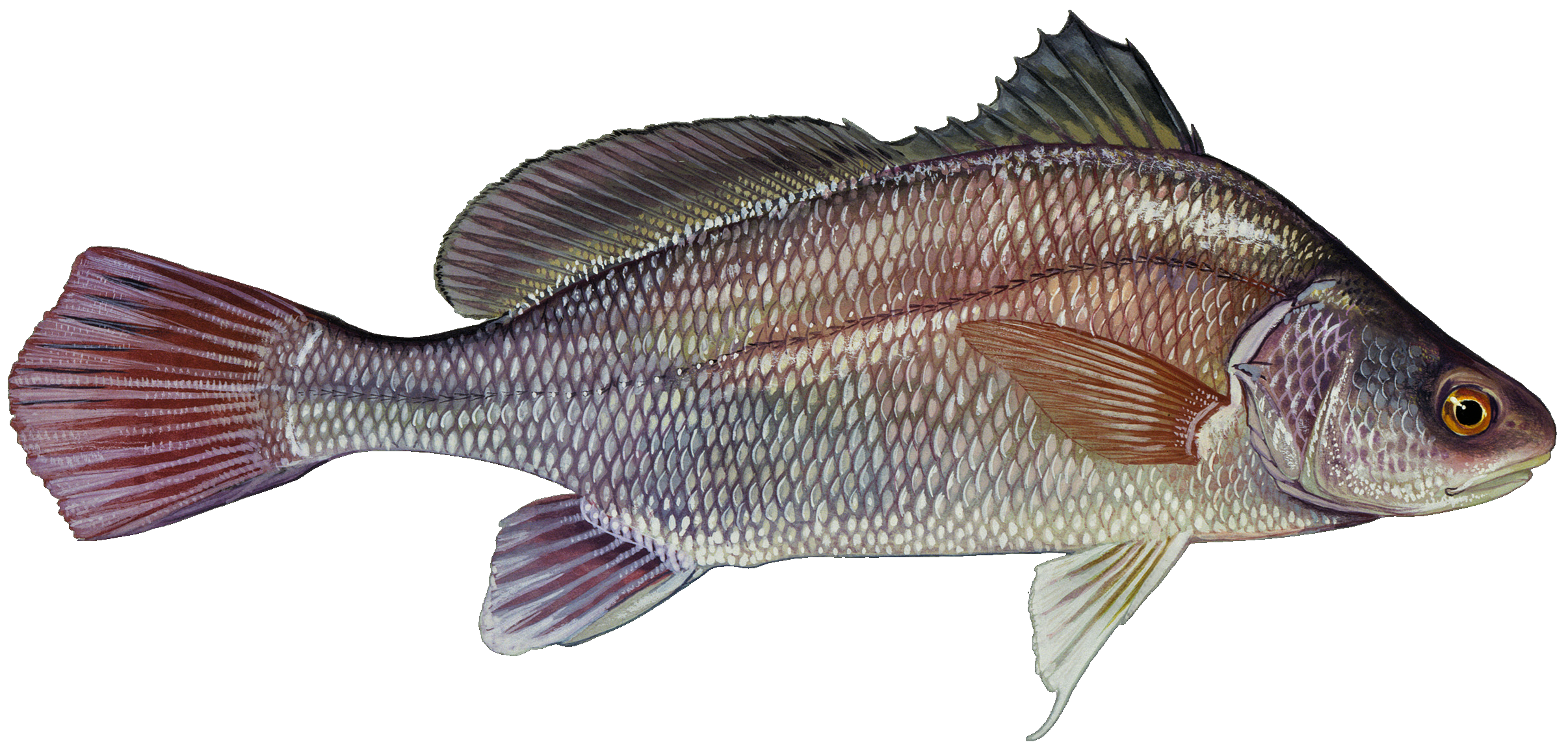
12–20 inches1–5 lbs
Peak season:June, July, August
Drum prefer large, warm lakes and rivers with sand or gravel bottoms. They're bottom feeders that cruise flats and channels, using their specialized pharyngeal teeth to crush mussels, crayfish, and snails.
Tullibee (Cisco)
Coregonus artedi
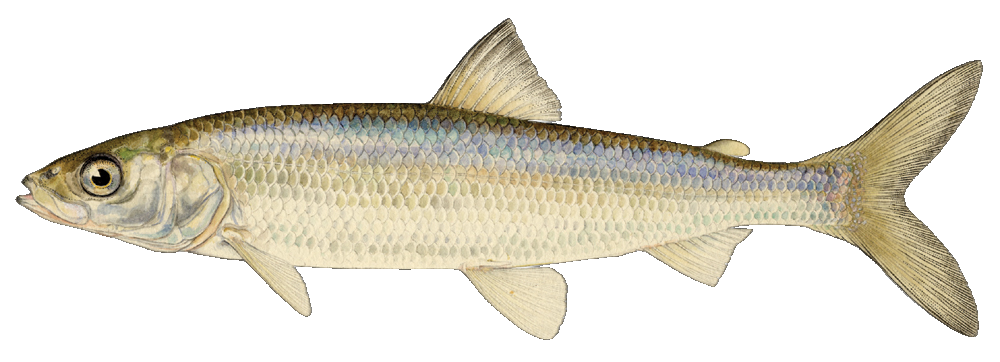
10–15 inches0.5–1.5 lbs
Peak season:November, December, January
Tullibee require deep, cold, well-oxygenated lakes. They're pelagic fish that suspend in open water, following zooplankton clouds through the water column. They move deep in summer and spawn on shallow gravel in late fall.
Brown Bullhead
Ameiurus nebulosus
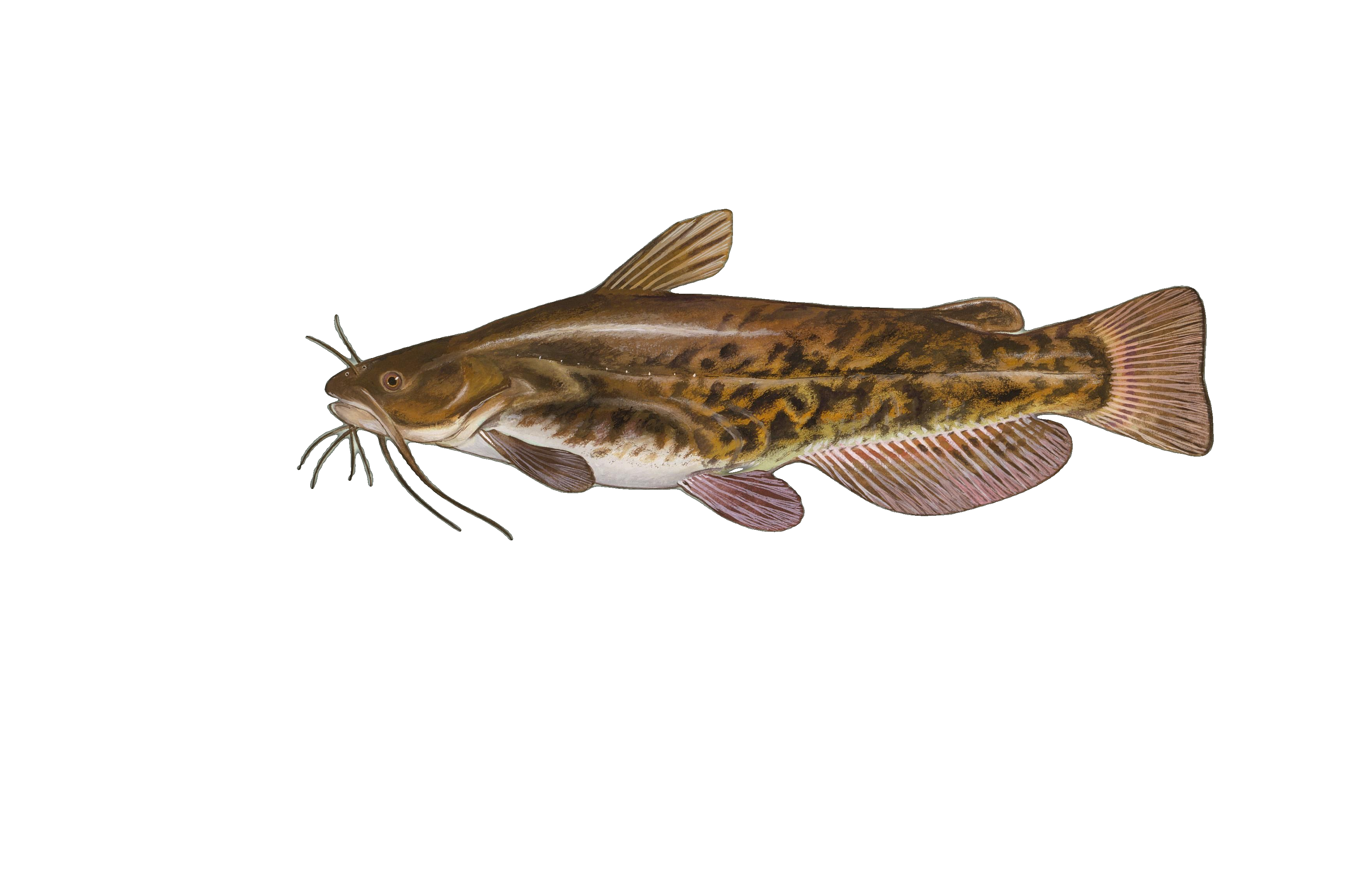
8–12 inches0.25–1 lb
Peak season:June, July, August
Brown bullheads prefer warm, slow-moving water with soft, muddy bottoms and dense vegetation. They tolerate low oxygen levels and turbid conditions that would stress most other species.
Yellow Bullhead
Ameiurus natalis
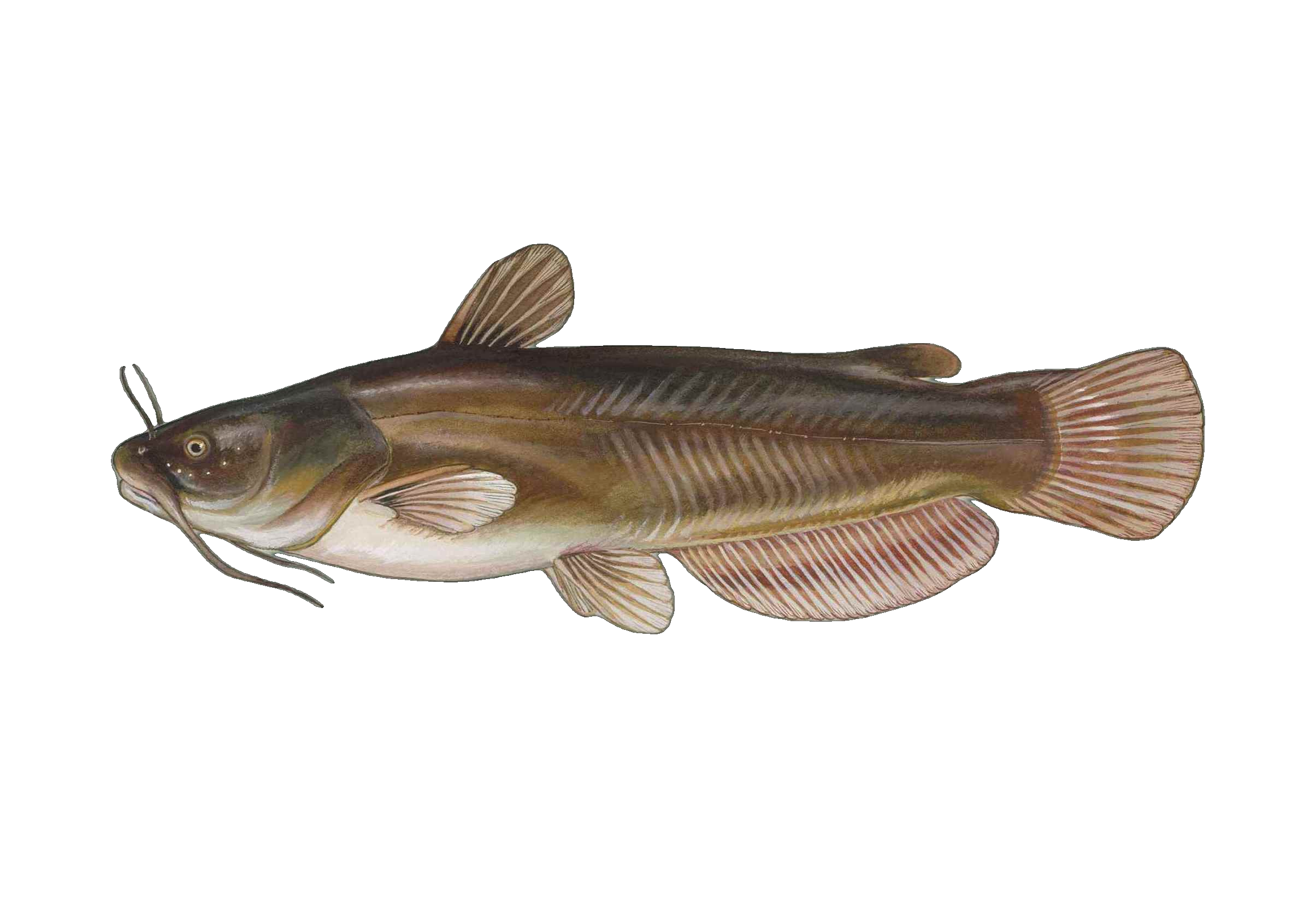
8–12 inches0.25–1 lb
Peak season:June, July, August
Yellow bullheads prefer cleaner water than brown bullheads, often found in lakes and streams with moderate vegetation and sand-to-gravel bottoms. They're still bottom feeders but are less tolerant of heavily degraded conditions.
Black Bullhead
Ameiurus melas
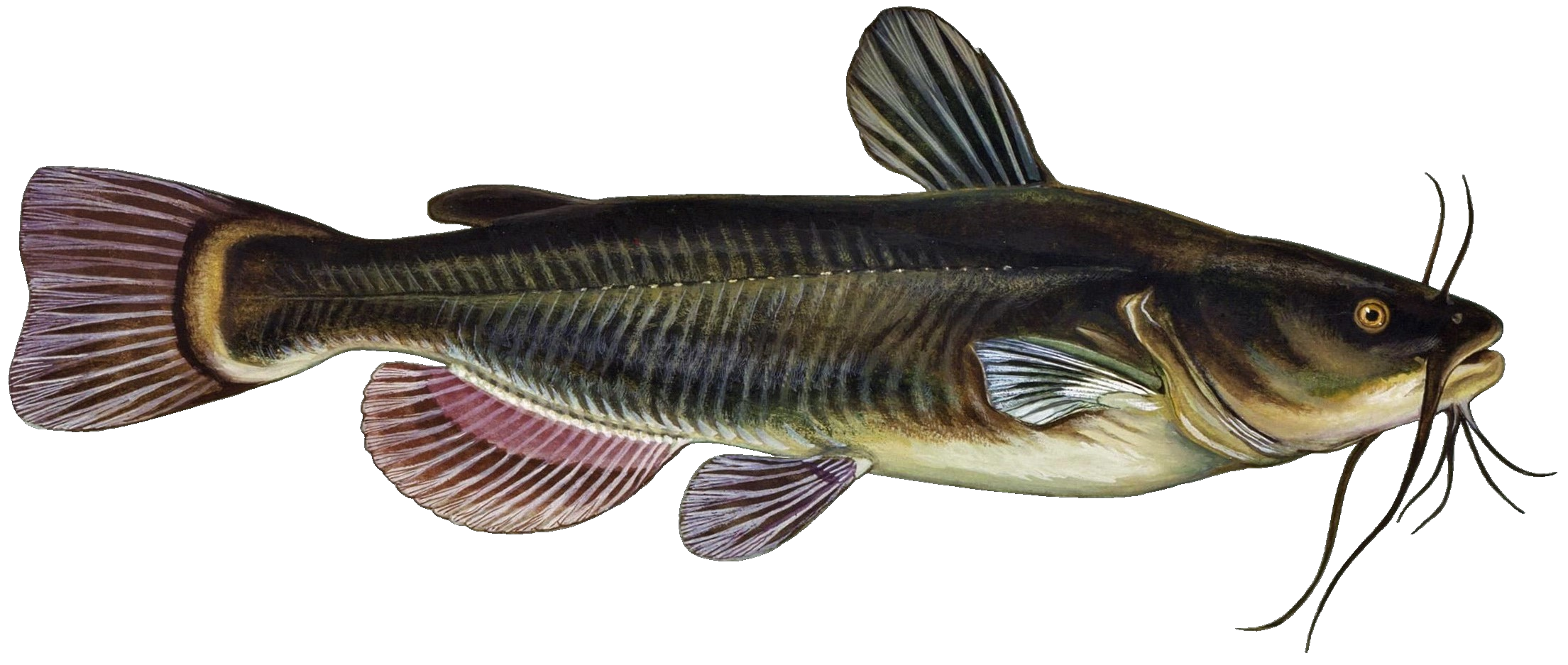
7–11 inches0.2–0.75 lb
Peak season:June, July, August
Black bullheads are the most tolerant of poor conditions among the bullheads. They thrive in shallow, warm, turbid lakes and ponds, including those prone to winterkill. They can survive extremely low oxygen levels.
Shorthead Redhorse
Moxostoma macrolepidotum
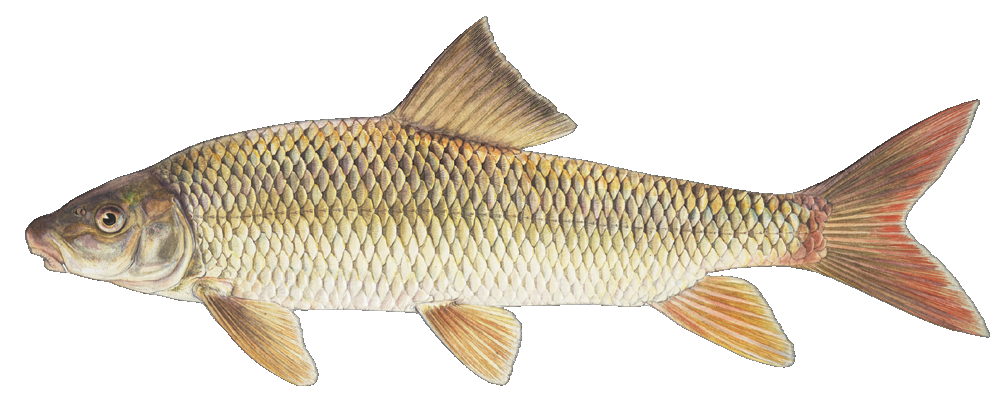
14–20 inches1–4 lbs
Peak season:April, May
Shorthead redhorse prefer clean, flowing water with gravel and cobble substrates. They're found in rivers, streams, and the inlet/outlet areas of lakes. They require good water quality and are indicators of healthy stream systems.
Silver Redhorse
Moxostoma anisurum
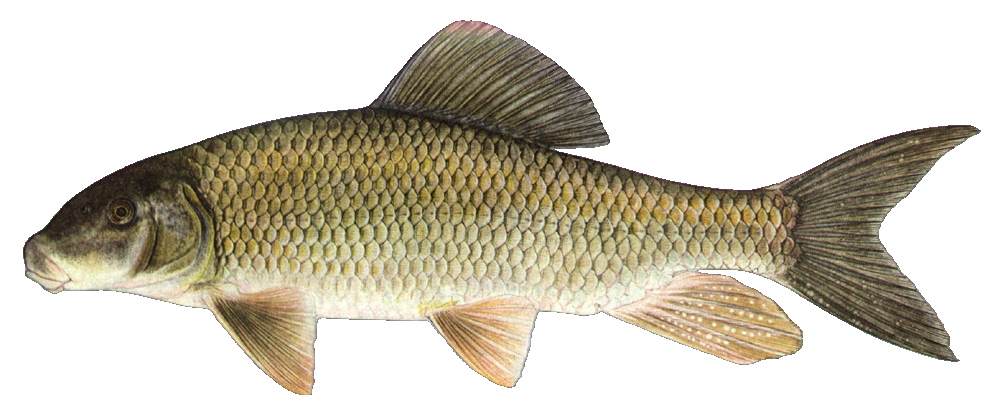
16–22 inches2–5 lbs
Peak season:April, May
Silver redhorse prefer clean, moderate-to-large rivers with gravel and rocky substrates. They're bottom feeders that require good water quality and are less common than shorthead redhorse.
Greater Redhorse
Moxostoma valenciennesi
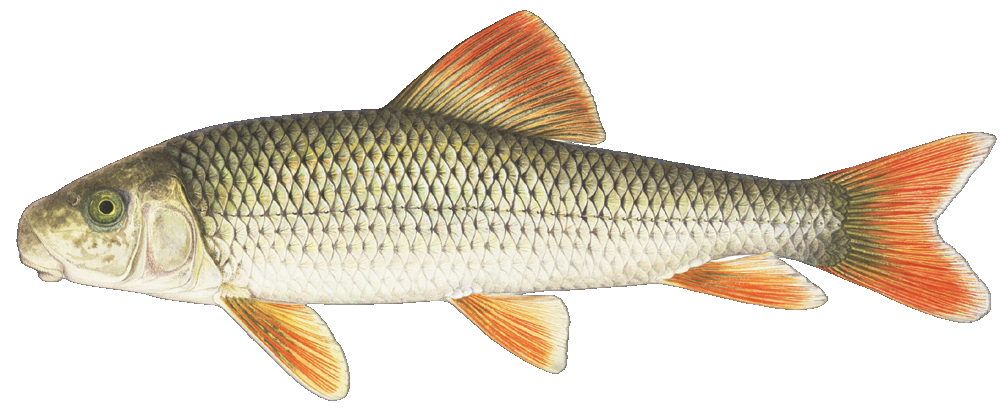
18–26 inches3–8 lbs
Peak season:April, May
Greater redhorse require clean, large rivers with sand and gravel bottoms. They're bottom feeders that are sensitive to siltation and pollution, making them one of the first species to disappear from degraded rivers.
Baitfish & Forage
The foundation of the food web. Healthy forage means healthy gamefish.
Golden Shiner
Notemigonus crysoleucas
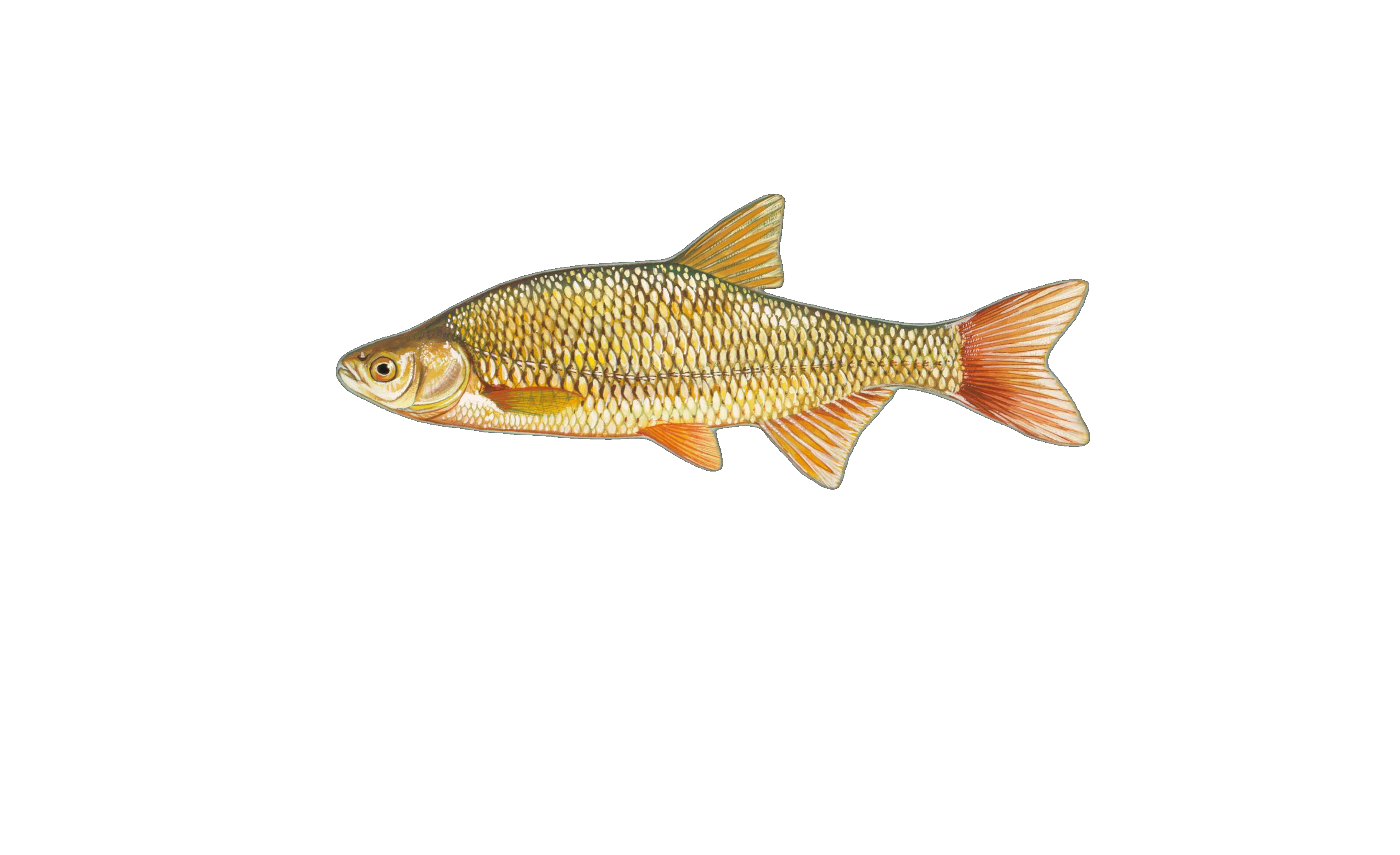
3–6 inchesUnder 0.25 lb
Peak season:May, June, July
Golden shiners inhabit warm, weedy lakes and sluggish streams. They school near the surface in vegetated areas and are an important forage species for gamefish in many Minnesota waters.
Emerald Shiner
Notropis atherinoides
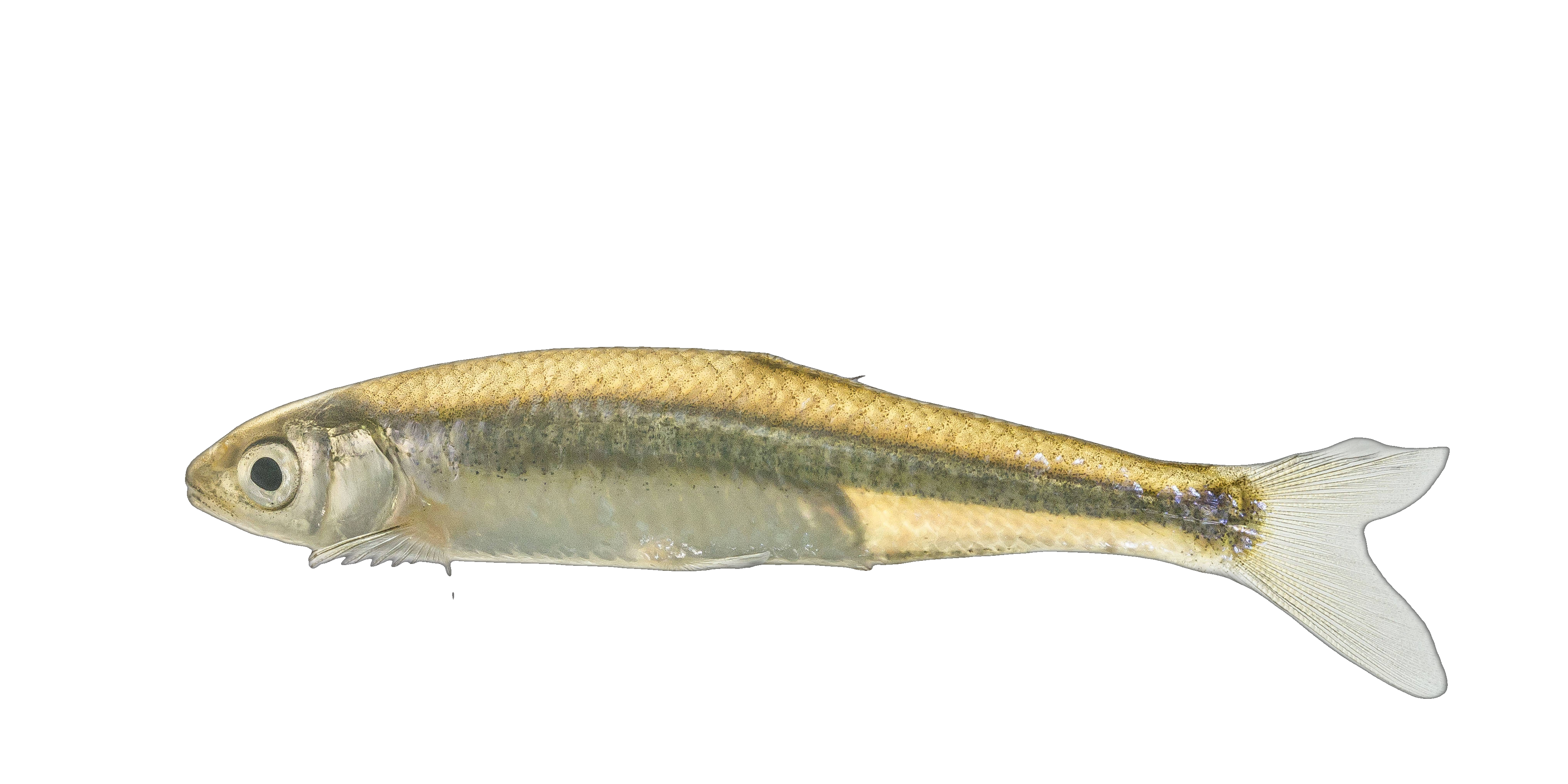
2–4 inchesUnder 0.1 lb
Peak season:June, July, August
Emerald shiners school in open water of large lakes and rivers. They're pelagic, swimming in the upper water column where they feed on zooplankton. Large schools are often visible from the surface.
Spottail Shiner
Notropis hudsonius
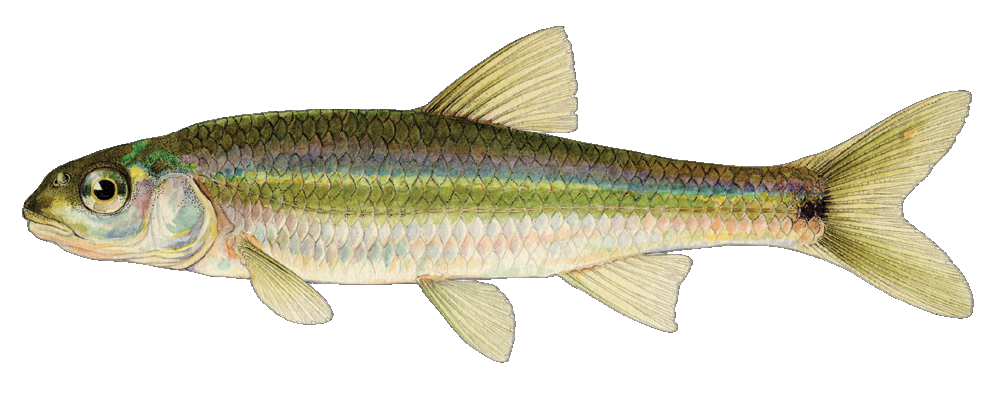
2–4 inchesUnder 0.1 lb
Peak season:June, July
Spottail shiners prefer clear lakes and rivers with sandy substrates. They're often found along sandy beaches and shorelines, making them one of the more visible minnow species from shore.
Orangespotted Sunfish
Lepomis humilis
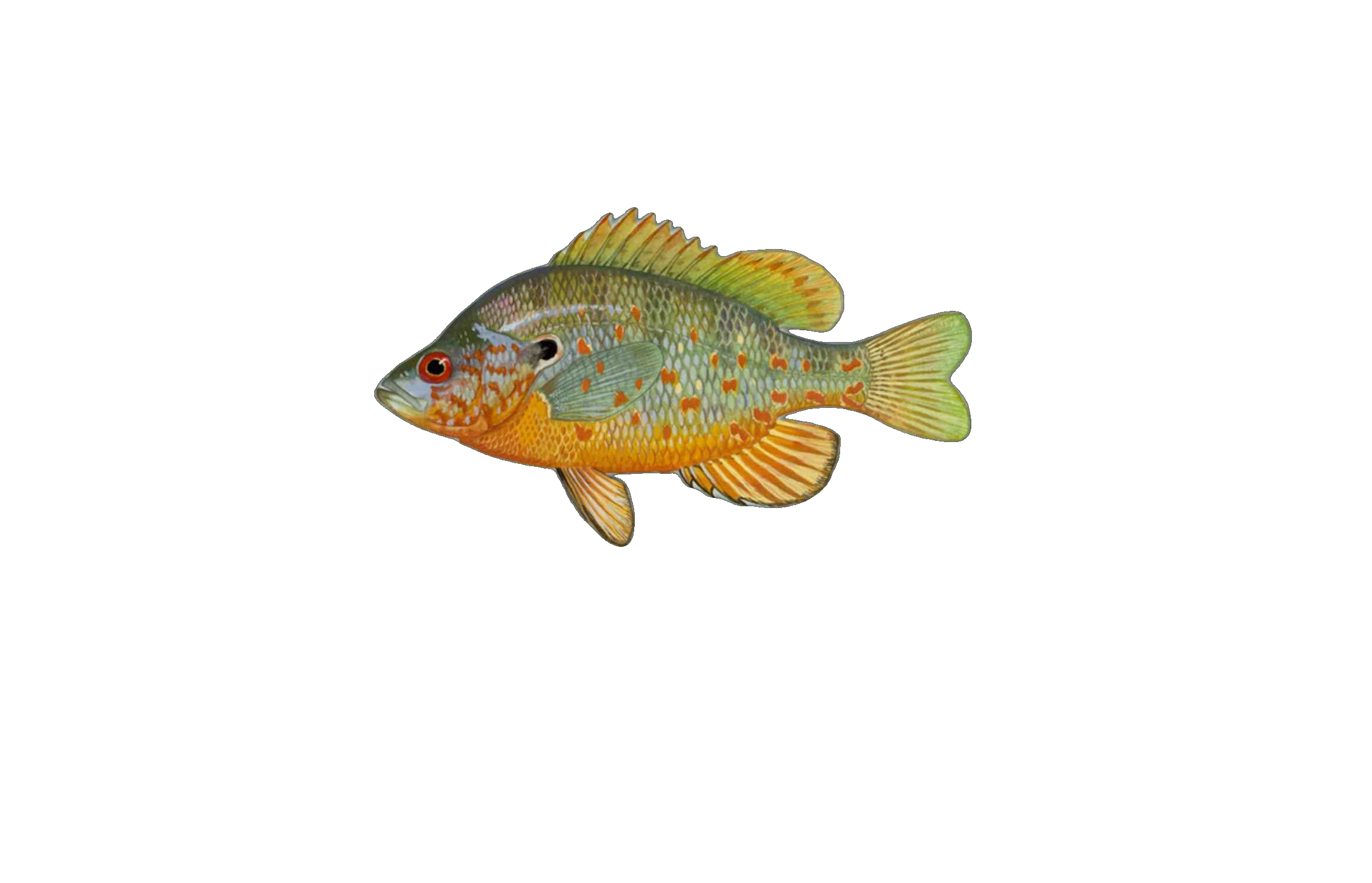
2–4 inchesUnder 0.25 lb
Peak season:June, July
Orangespotted sunfish tolerate turbid, low-gradient waters that are too warm or silty for most other sunfish. They're found in prairie streams, backwater sloughs, and shallow lakes in the western part of the state.
Bluntnose Minnow
Pimephales notatus
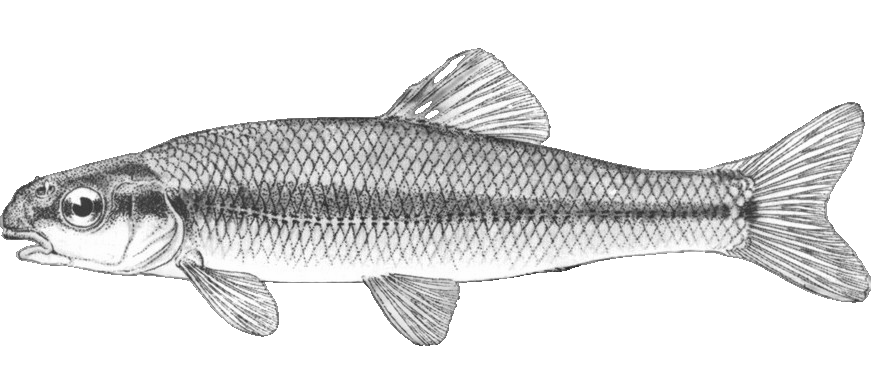
2–3 inchesUnder 0.1 lb
Peak season:May, June, July
Bluntnose minnows inhabit slow-moving streams, lake margins, and backwater areas. They prefer sandy or silty substrates and are found in a wide variety of water conditions.
Spotfin Shiner
Cyprinella spiloptera
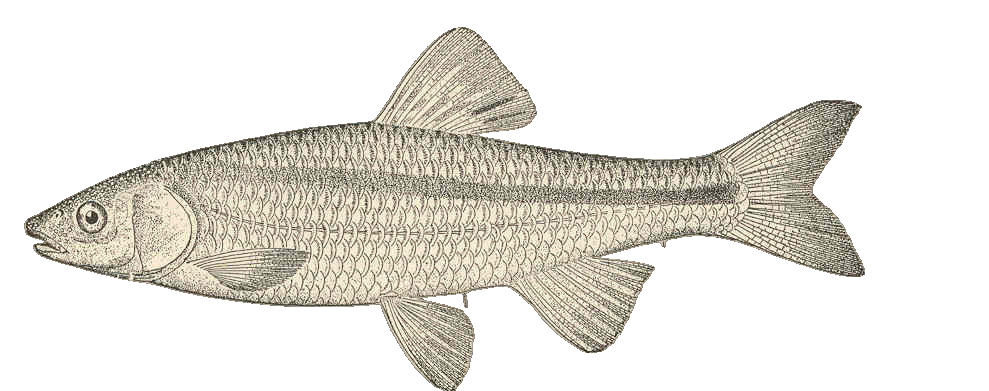
2–4 inchesUnder 0.1 lb
Peak season:June, July
Spotfin shiners prefer flowing water in rivers and larger streams. They school in pools and runs with moderate current, often near bridge pilings, fallen logs, and other current breaks.